
Keynote Speaker
Professor Jessica Perea Houston

Jessica Perea Houston, Ph.D., is a Professor of Chemical & Materials Engineering at New Mexico State University (NMSU) in Las Cruces, NM (2009-present). Jessica received her Ph.D. in Chemical Engineering from Texas A&M University (2005) and was a Director’s Postdoctoral Fellow at the Los Alamos National Laboratory Bioscience Division (2006-2009). She is an alumna of NMSU (’00) and is from Santa Fe, NM.
Her research expertise is biomedical instrumentation development with an emphasis on time-resolved flow cytometry systems development, biophotonics and optofluidics. Jessica directs a flow cytometry instrumentation lab at NMSU, has advised over 60 graduate students, undergraduate students and/or postdocs throughout the 13 years she has been at NMSU. Her research is currently supported by a National Institutes of Health R01 grant “Microflow time-resolved flow cytometry for FRET and Fluorescent Protein Development.”
Jessica has been active in multidisciplinary research projects that have involved many collaborators, institutions, and international partners. She was a Faculty Fulbright Scholar in Japan for 6 months in 2018 and develops projects that span support from many granting agencies (including NSF CAREER). She became a Scholar of the International Society for the Advancement of Cytometry (ISAC) in 2012 and won Best Paper in the journal Cytometry Part A in 2015. She has also received many awards at NMSU including the Synergy-One award (NMSU College of Engineering) Outstanding Junior Faculty (NMSU Hispanic Faculty and Staff Caucus); the Early Career Award (NMSU Research Council) and the Distinguished Career Award (NMSU Office of the Vice President for Research). Presently Jessica serves as President of ISAC. She is an Associate Editor for the Journal, Cytometry Part A and is a Standing Member of the Cell & Molecular Technologies Study Section for the National Institutes of Health Center for Scientific Review. Jessica is also serving as Co-Chair for the Photonics West BiOS Imaging, Manipulation, and Analysis of Biomolecules, Cells, and Tissues conference in San Francisco, CA.
Invited Speakers
Dr Rafael J. Argüello
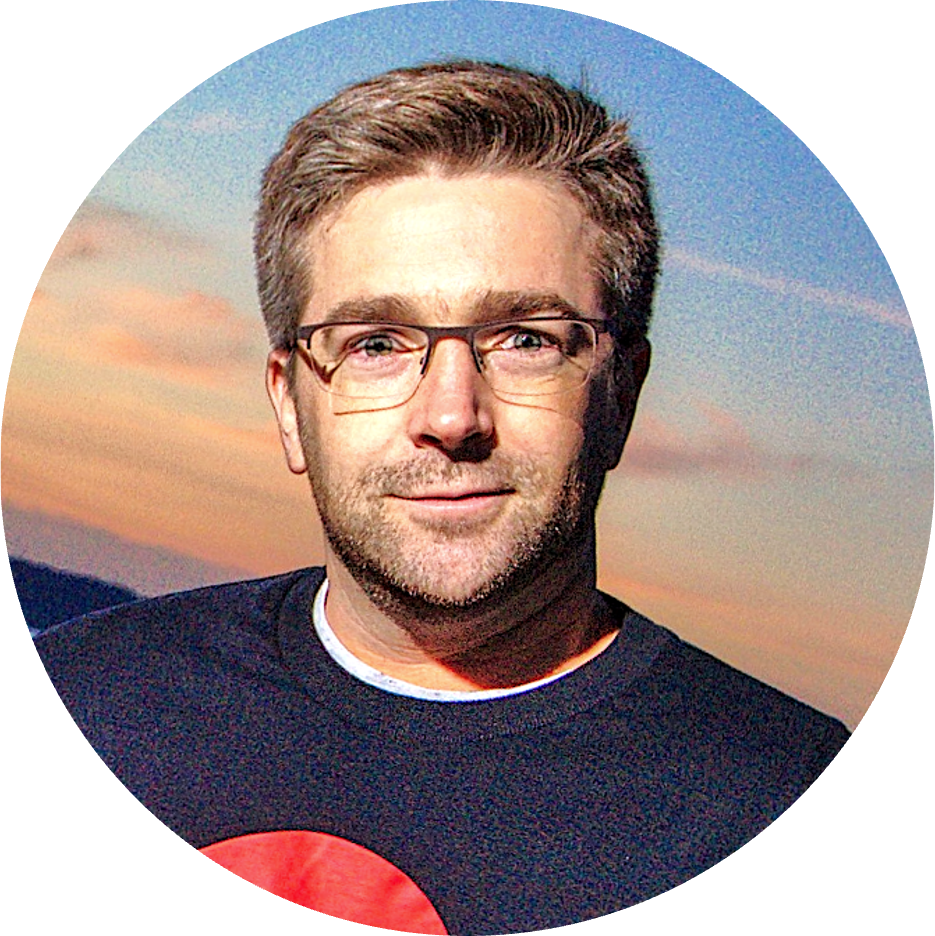
Rafael J. Argüello is a Molecular Immunology expert with a tenured position at CNRS. Primary inventor SCENITHTM; a patented method to functionally profile metabolism with single-cell resolution. After his PhD in human immunology, and postdoctoral research at CIML and UCSF (Pierre and Krummel labs), he shifted focus to metabolism and epigenetics in immune cells. Since obtaining tenure, he secured prestigious grants and publications. He received the “Diversity-Equity and Inclusion Paper of the Year Award (2021)” and was selected for ISAC’s Emerging-Leadership M. Ingram Program. He co-founded GammaOmics, Personalised-Medicine technologies, is member of the NPO-Expedición Ciencia and a founding member of the European ImmunoMetabolism Network.
Dr Anna Brooks

Dr Anna Brooks is a Senior Lecturer teaching postgraduate virology, biotechnology, and advanced cell characterization technologies at the University of Auckland. In addition, she is Director of Auckland Cytometry, the flow cytometry Shared Resource Laboratory for the Faculty of Science. Dr Brooks has over 20 years’ experience in human immunology, with specific training and expertise in advanced cell characterisation using high dimensional spectral flow cytometry. Dr Brooks’ research focuses on immunoprofiling of various immune perturbations and is currently leading a study to understand the underlying immune dysfunction of Long Covid and its relationship with Myalgic Encephalomyelitis/Chronic Fatigue Syndrome (ME/CFS). In addition, she is involved in consulting or collaborations on a number of academic, clinical and commercial projects, including clinical trials involving flow cytometry services.
Dr Anna Boss

Dr Anna Boss is a Research Fellow based in the Department of Obstetrics and Gynaecology at the University of Auckland, where she is investigating how the placental blood vessels develop over gestation and why vascular development and function is compromised in fetal growth restriction, resulting in poor nutrient and oxygen delivery to the baby. Her research has employed multi-colour panels for particularly autofluorescent tissues (placenta/stromal vascular fraction) and used fluorescence activated cell sorting to investigate in vitro properties of stromal and endothelial cell populations. She has uncovered novel vascular/stromal heterogeneity and demonstrated the value of using flow cytometry to characterise stromal/vascular cells.
Michelle Burns

Michelle is Technical Lead of the Surface Markers laboratory at Canterbury Health Laboratories in Christchurch, New Zealand. She is a Medical Laboratory Scientist and has been working in clinical diagnostic laboratories for the last 26 years. Michelle has spent the last 15 years specialising in flow cytometry, predominantly in the diagnosis and monitoring of haematological malignancies.
Kerrie Clerici

Kerrie has been a long-standing member of the Cytometry scientists’ community for over 26 years working in Flow Cytometry and Cell Therapy research and clinical laboratories. Currently she oversees the Cell Therapy and Flow Cytometry Laboratory at the Royal Children’s Hospital (RCH). The Cell Therapy and Flow Cytometry Laboratory performs all the diagnostic haematology flow cytometry for the RCH. She was instrumental in implementing MRD testing at RCH in 2011. In 2015 the laboratory met the requirements for approval to perform Children’s Oncology Group (COG) MRD testing for B-ALL patients.
Dr Siobhan Cross
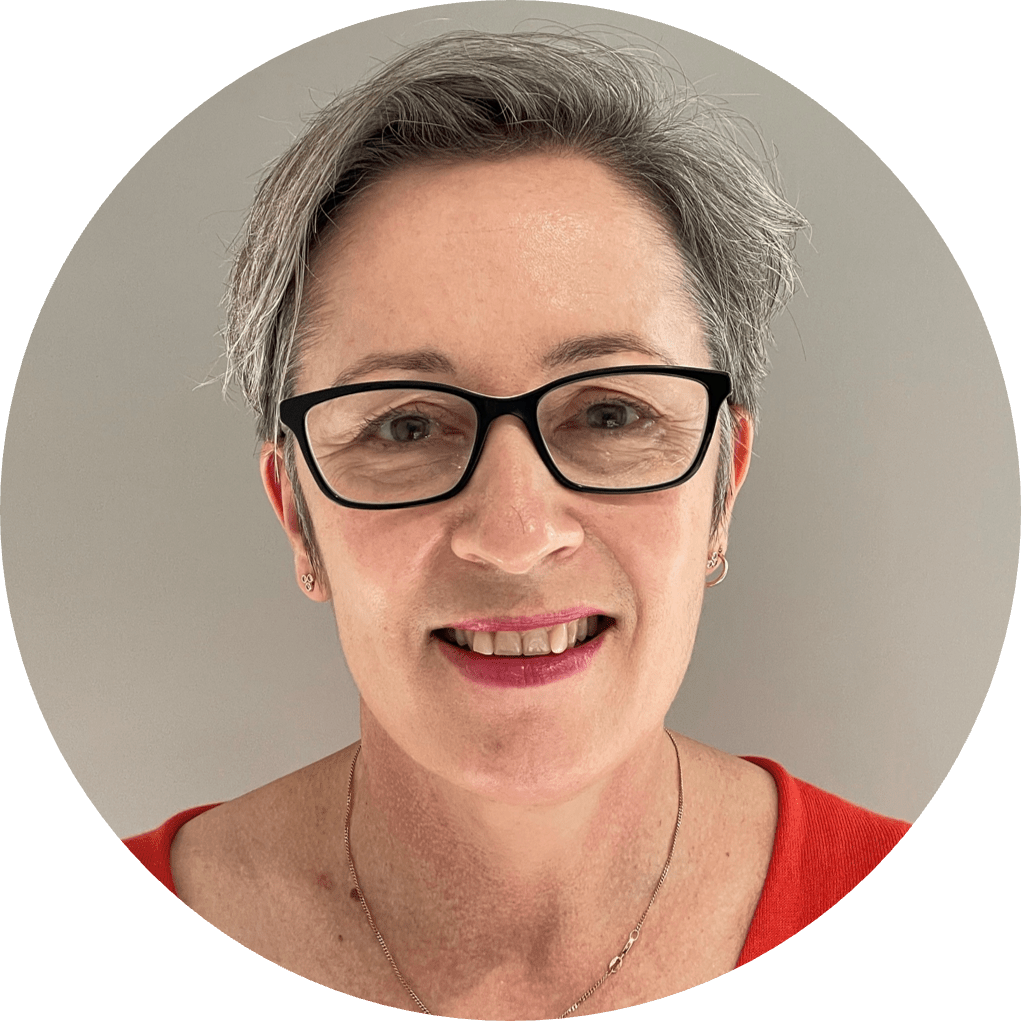
Siobhan Cross is a paediatric haematologist who trained in New Zealand, England and Australia before taking up a consultant post in Christchurch in 2010. She works in both non-malignant and malignant haematology and oncology. She has published and presented on familial cancer syndromes, cancer registries and acute lymphoblastic leukaemia. She is a past chair of the ANZCHOG leukaemia/lymphoma group.
Dr Emily Edwards
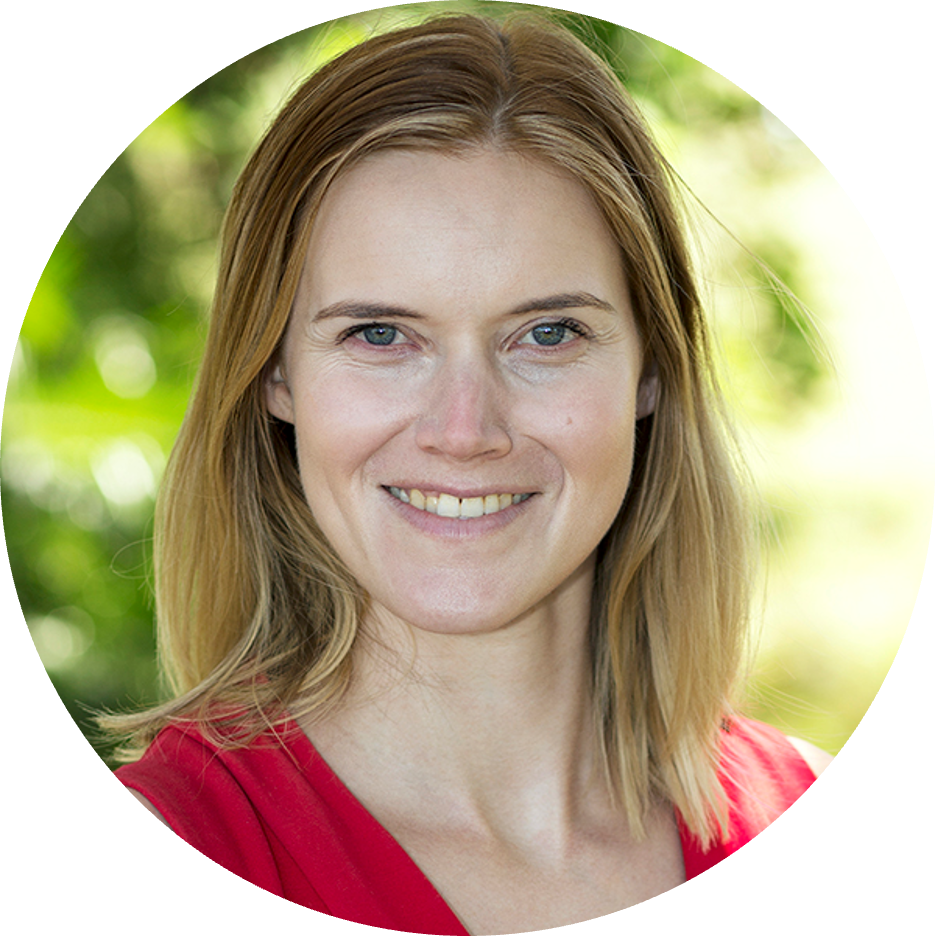
Dr Emily Edwards is a Senior Postdoctoral Fellow in the Department of Immunology and Pathology at Monash University in Melbourne, Australia. Emily completed her PhD studies at Cardiff University before relocating to Australia. She joined the QIMR Berghofer Medical Research Institute in Brisbane in 2011. Here, she studied the phenotypic and functional attributes of CMV-specific CD4+ T cells. In 2014, she was recruited to Prof Stuart Tangye’s Laboratory at the Garvan Institute in Sydney where she commenced her studies in to the molecular and cellular underpinnings of Primary Immunodeficiency (PID). Here, she primarily focused on identifying rare genetic defects that render patients susceptible to severe EBV-associated disease. During this time, she was part of the team who first described CD70-deficiency, and published insights into the mechanisms underlying disease in activated PI3Kδ disease, MAGT1-deficiency and CD27-deficiency.
Emily was recruited to A/Prof Menno van Zelm’s laboratory at Monash University 2018, where she continues her research interest in identifying new genetic defects underlying immunodeficiency, autoimmunity and gastrointestinal disease in Predominantly Antibody Deficiency (PAD). Emily’s work focuses on identifying functional and genetic defects causing PAD. She is the 2022 recipient of the Grifols ASPIRE (Award for Scientific Progress in Immunodeficiency Research) Award which will enable her to develop and standardise functional testing protocols, and new bioinformatic analysis pipelines to facilitate this work. The ultimate aim of this program is advance genetic diagnosis of PAD, thereby increasing patient access to personalised medicine which is urgently needed to reduce the incidence of irreversible organ damage and early death.
Additionally, she received an Allergy and Immunology Foundation of Australasia (AIFA) Primary Immunodeficiency Clinical Research Grant to fund her work examining the SARS-CoV-2-specific antibody levels and neutralization capacity of Australian Immunoglobulin product, and the retention of these capabilities in Primary Immunodeficiency patient plasma. The broader aim of this project is to examine the SARS-CoV-2-specific humoral response (antibody and memory B-cell) to COVID-19 vaccination in Primary Immunodeficiency.
Dr Henry Hui
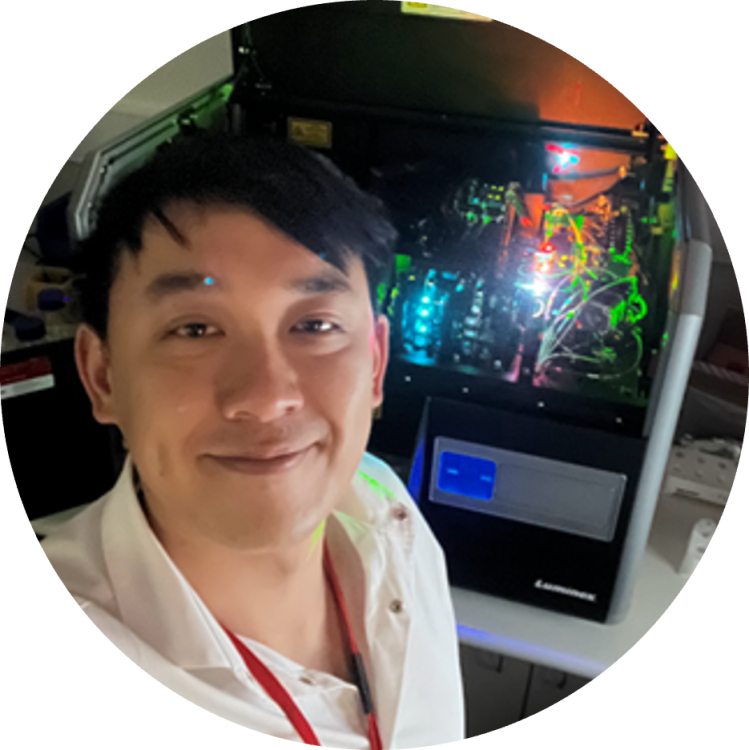
Dr Henry Hui is an early career researcher at the University of Western Australia, a Marylou Ingram Scholar (International Society for the Advancement of Cytometry) and on the executive council for the Australian Cytometry Society. As an active biomedical scientist-cytometrist, his passion is to charter the intersection of cutting-edge cytometry technologies and methodologies to leverage new frontiers in biological discovery and clinical application. His multidisciplinary research leads the world in imaging flow cytometry powered precision diagnostic innovations for haematological malignancies and constitutional disorders affecting adults, children, and neonates. He is the co-inventor of the patented “Immuno-flowFISH” method, a game-changer for blood cancer testing and was awarded the highly prestigious ANSTO 2018 Eureka Prize for Innovative Use of Technology by the Australian Museum. He currently collaborates with tertiary hospitals, health care providers, medical technology industries and diagnostic cancer centres globally for the adoption of cytometry powered “bench to bedside” innovations.
Dr Paula Keating

Dr Keating is registered with the Medical Laboratory Science Council (MLS) and has 30 years experience in immunology. She develops diagnostic tests for the NZ clinical immunology service. She provides specialist functional assays using flow cytometry to aid diagnosis of immunodeficiencies.
Dr Martin Kraeter
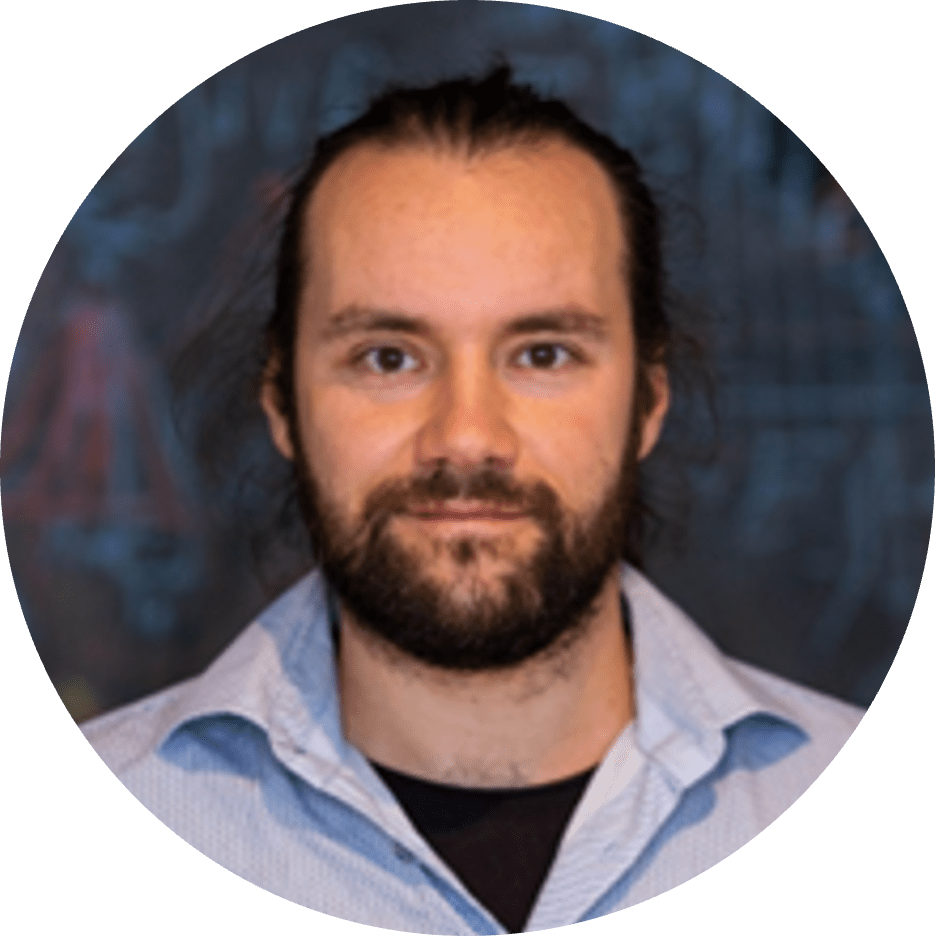
Martin Kräter studied “biology” and “cell biology and genetics” at the University of Leipzig and graduated (M.Sc.) from the institute for medical microbiology and virology under supervision of Uwe G. Liebert.
After an internship at the German Cancer Research Center in Halle (Saale) investigating transcription factors in acute myeloid leukemia development he moved on to the Technical University of Dresden where he received his PhD in hematopoietic stem cell development in 2017 (summa cum laude). During that time, he teamed up with the group of Jochen Guck to investigate the physical properties of hematopoietic stem cells during blood cell development and started his first postdoc establishing real-time deformability cytometry for blood cell measurements.
After moving to the Max Plank Institute for the Science of Light & the Max-Plank-Zentrum für Physik und Medizin in Erlangen he was promoted to laboratory manager and researcher group leader in microfluidic-based blood cell diagnostics. His research centers on exploring the physical properties of blood cells in physiological and pathological conditions, aiming at establishing those features as new biomarkers.
He has authored over 20 peer-reviewed publications and his work has been recognized by the young scientist award of the German Society for Cell Biology in 2019, the Medical Valley Award of the Bayerisches Staatsministerium für Wirtschaft Landesentwicklung und Energie in 2020.
Dr Paul Mead
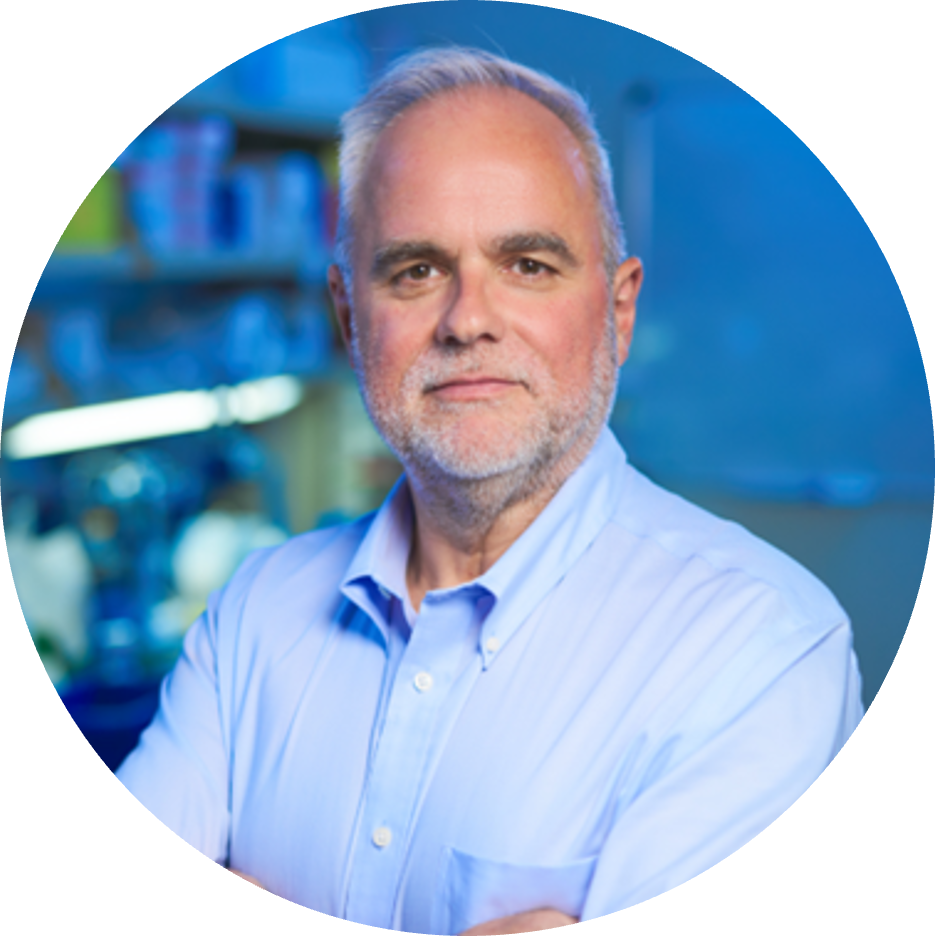
Paul Mead is a Principal Scientist and Director of the Translational Immunopathology laboratory in the Department of Pathology at St Jude Children’s Research Hospital. The Translational Immunopathology laboratory is responsible for developing new flow cytometry assays for the Clinical Immunopathology laboratory, where Dr Mead also serves as Technical Director, and to develop and conduct flow assays to support research aims for St Jude-led clinical trials. The Translational Immunopathology laboratory also supports St Jude’s Global Pathology and Laboratory Medicine’s mission to provide training and assay development for pediatric hematopathologists and clinical flow labs in resource-limited settings across the globe.
Dr Mead received his undergraduate and graduate degrees in Biochemistry from Massey University, New Zealand and post-doctoral training at Harvard Medical School in the Department of Hematology/Oncology, Children’s Hospital, Boston. As an independent, NIH-funded investigator in the Department of Pathology, St Jude Children’s Research Hospital, Dr Mead’s research interests focused on the development of the hematopoietic system during early embryonic development. For more than a decade, Dr Mead has been the Director of the Translational Immunopathology laboratory where his research interests have focused on immunophenotyping and minimal residual disease detection of pediatric hematopoietic malignancies. Most recently, these efforts have been directed towards developing high-parameter spectral flow cytometry panels for diagnosis and treatment follow-up of pediatric leukemias in the clinical laboratory setting.
Dr Helen Moore

Helen Moore is a laboratory based haematologist currently working at Waikato District Health Board. Helen studied medicine at the University of Sheffield, UK graduating in 1999 before deciding to see a bit of the world and moving to NZ in 2001 for what was originally a one year stay. Still there nearly 23 years later, Helen commenced her haematology training in 2004 in Christchurch and then moved to Wellington in 2008 to complete her training, gaining fellowship of both RCPA and RACP colleges in 2010. Following an 18-month fellowship based at the Haematological Malignancy Diagnostic Services (HMDS) in Leeds, UK honing her morphological skills, she returned to Hamilton, NZ in January 2013 to take up a position as the laboratory haematologist. Helen has been an examiner for RCPA haematology since 2018 and is a member of various College committees. Helen’s interests are in multicolour flow cytometry and its applications with a keen interest in morphology, haematological malignancies and teaching.
Dr David Ng

David Ng, MD is an assistant professor at the University of Utah and medical director of the hematologic flow cytometry laboratory at ARUP, the university’s nonprofit national reference laboratory. For several years, he has been working to develop and operationalize advances in machine learning, spectral flow cytometry, and automated specimen processing in a high volume laboratory setting.
Dr Saem Park
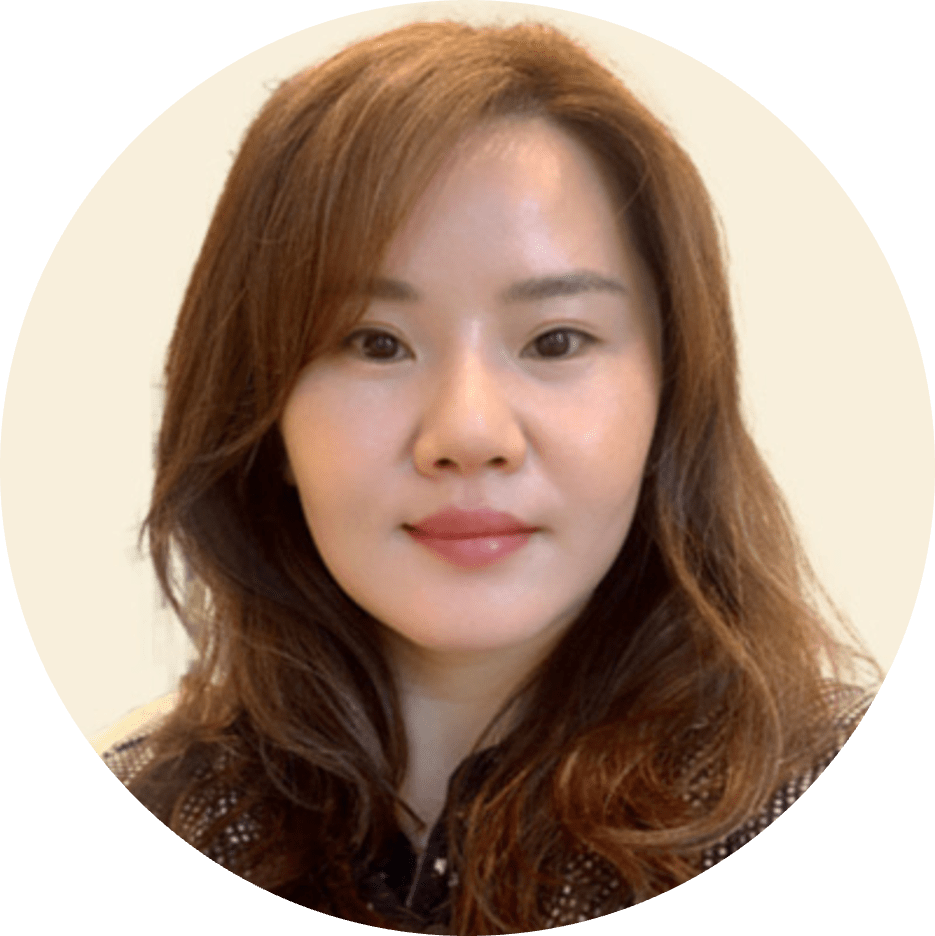
Dr Saem Park is a research fellow at the University of Auckland and leads the digital tissue profiling work at Professor Rod Dunbar’s immunology lab. Saem is also a technology mentor at the Maurice Wilkins Centre, a New Zealand Centre of Research Excellence targeting serious human disease, where she connects and supports multi-disciplinary and multi-institutional research projects.
Dr Park’s current research aims to explore the landscape of the tumour microenvironment using an integrative approach that involves high-dimensional flow cytometry, multiplexed tissue imaging, and spatial transcriptomics techniques. She is especially interested in investigating how various types of immune and stromal cells interact with tumour cells in different microenvironments using cutting-edge spatial biology tools. Her recent work was awarded the Chris and Bhama Parish Immunology & Cell Biology Publication of the Year in 2021. Saem widely collaborates with cancer researchers, clinicians and pathologists on various studies aiming to discover novel diagnostic and prognostic markers for human cancer. Her research is supported by the Health Research Council of New Zealand, Maurice Wilkins Centre, and Auckland UniServices.
Dr Justin Rustenhoven

Dr Justin Rustenhoven is a Rutherford Discovery Fellow based in the Centre for Brain Research at the University of Auckland where he investigates how neuroimmune cross-talk in the border regions of the central nervous system maintains homeostatic brain function and how perturbations here can contribute to neurological disease. He completed his PhD at the University of Auckland before performing postdoctoral research at the University of Virginia and Washington University in St Louis in the United States of America. His research has employed high-dimensional spectral and mass cytometry, sorting of rare populations, and scRNA-sequencing to profile the immune and vascular components of the central nervous system border regions, uncovering unique sites for central nervous system antigen presentation and drainage, immune trafficking into the brain, and neuro-immune cross-talk. His work has been published in top journals including Cell, Nature, and Science, and his contributions to the role of the immune system in brain function were recognized by the Science and Eppendorf Prize for Neurobiology in 2021.
Associate Professor Min Shi

Dr. Min Shi is a board-certified hematopathologist and holds the academic rank of Associate Professor at the Department of Laboratory Medicine and Pathology at Mayo Clinic in Rochester, Minnesota. Dr. Shi is a medical director of the flow cytometry laboratory at Mayo Clinic, a high-volume reference laboratory with samples from all over the world. She has led the design, validation, and implementation of many clinical flow cytometry assays, including an updated version of a T-cell panel using a novel antibody TRBC1 to establish T-cell clonality. She also led the effort to develop decision rules for NK-cell receptor restriction from large cohorts of healthy donors and NK-cell neoplasms.
Dr. Shi’s research interest is focused on diagnostic and prognostic markers for hematopoietic malignancies, particularly T-cell and NK-cell lymphoproliferative disorders. She has been awarded several grants in translational medicine and authored more than 90 peer-reviewed articles. Dr. Shi has dedicated herself to education by teaching didactic lectures for residents/fellows/clinical technologists and mentoring them to conduct, present and publish research projects. She has presented multiple talks at regional, national and international conferences.
Dr Louisa Stone

Louisa Stone works as a laboratory and clinical haematologist at Te Toka Tumai Auckland Hospital. Since completing her haematology training, she has developed a special interest in flow cytometry and in particular, measurable residual disease analysis, under the mentorship of the late Dr Edward Theakston. Louisa works predominantly at LabPlus which provides regional services for flow cytometry, and national MRD analysis for a range of haematologic malignancies, including B-ALL (COG accreditation), AML, CLL and myeloma.
Dr Marisa Westers
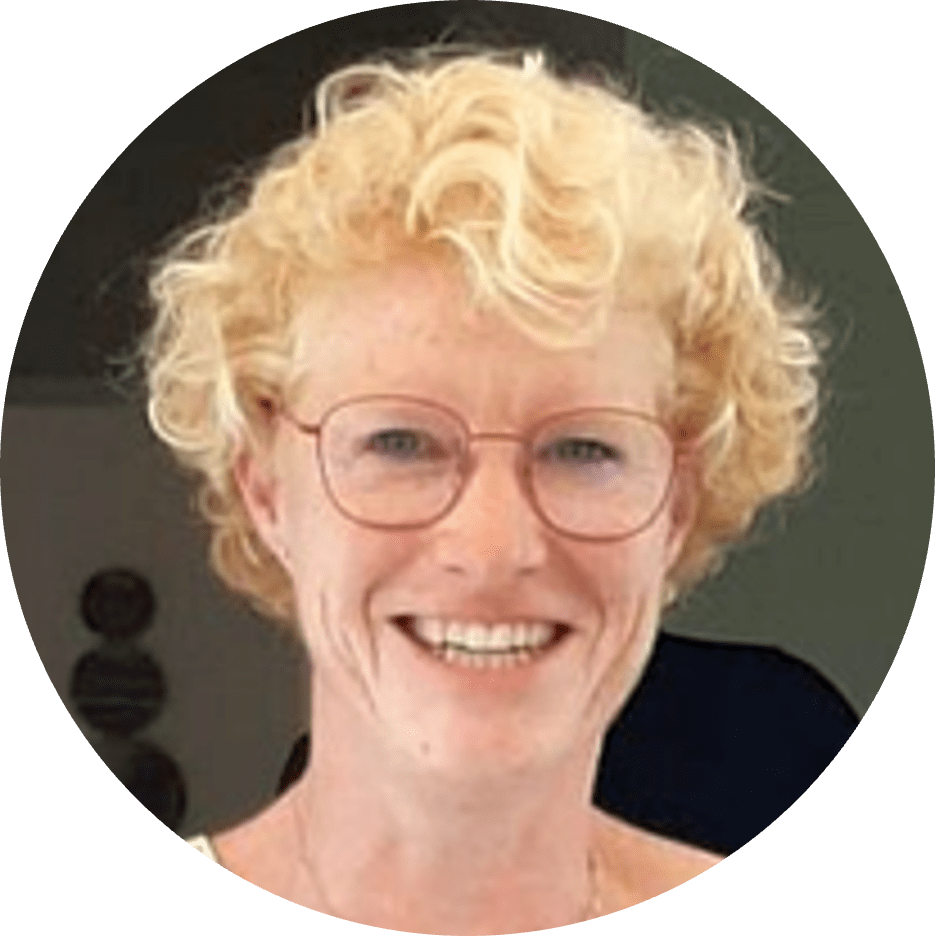
Marisa Westers (full name Theresia Maria Westers) graduated in Clinical Chemistry -specialization Hematology- in Groningen, The Netherlands, in 1989. She started working as a laboratory technician at the Central Laboratory for Blood Transfusion, nowadays Sanquin, Amsterdam) with a focus on flow cytometry and molecular diagnostics in haematological malignancies.
Since 1998, she has worked at the department of Hematology of the Amsterdam UMC, location VU University Medical Centre, Cancer Centre Amsterdam, The Netherlands. Next to flow cytometry diagnostics, she was involved in research projects concerning T cell subsets in Multiple Sclerosis and immunotherapy in myeloid leukemia. In 2005, she finished her PhD on the subject of ‘Dendritic cell-based immunotherapy in myeloid leukemia´ under supervision of prof.dr. G.J. Ossenkoppele and prof.dr. A.A. van de Loosdrecht.
After finishing her PhD, she continued working at the department of Hematology of the Amsterdam UMC, location VU University Medical Centre, Cancer Centre Amsterdam, The Netherlands. Here, she coordinates flow cytometry diagnostics in haematological neoplasms. Her current research subject is MDS diagnostics, risk stratification and immunopathogenesis.
As senior scientist she coaches several PhD students. She is a member of the International/European LeukemiaNet Working Party on MDS Flow Cytometry (iELN-MDSFlow, ≥2008) and the I4MDS working group of EHA (≥2023). She actively participates in education regarding flow cytometry for in-house colleagues, in university curricula and an outreach program. Next to that, she is a speaker on MDS-flow cytometry-related subjects in (inter)national settings such as lectures on scientific findings and MDS-related flow cytometry courses e.g. for the Dutch Society of Cytometry and the ESCCA Prague School of Flow Cytometry.
Workshop Presenters
Simon Monard
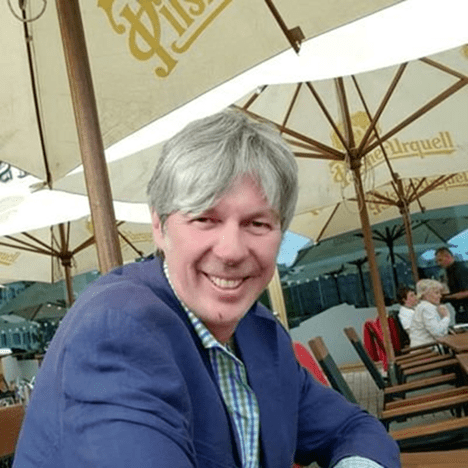
Workshop: Spectral workflows for lymphoid and non-lymphoid cells: A beginners guide.
Simon started his flow cytometry career in a lymphoma and leukaemia typing lab at the Royal Marsden Hospital in London using fluorescence microscopy and flow cytometry. In 1986 he moved to the flow cytometry core lab at the Imperial Cancer Research Fund (ICRF) also in London. ICRF became Cancer Research UK and then joined others to became the Francis Crick Institute. During this time Simon completed his MSc in Immunology at Kings College London. In 1992 he moved to Cambridge University, UK to manage a shared flow cytometry facility between the Department of Medicine and department of Immunology.
Next stop was New York City where Simon managed the Flow Cytometry Facility at the Aaron Diamond AIDS Research Centre. The lab had a Moflo cell sorter and several Becton Dickinson analysers. Five years later in 1999 Simon Moved to the Trudeau Institute in Saranac Lake, NY. A small infectious disease and immunology institute nestled in the beautiful Adironack National Park of Upstate New York.
In 2006 Simon joined IBMC in Porto, Portugal where he managed the flow cytometry facility. The main focus of the institute was immunology and infectious diseases. Simon then Headed to Edinburgh in Scotland to the Scottish Center for Regenerative Medicine (SCRM). The lab had FACS Aria and Influx sorters and several analysers.
Finally in 2012 Simon Moved to Melbourne Australia to Head the Flow Cytometry Facility at the Walter and Eliza Hall Institute for Medical Research (WEHI). The lab has 3 FACS Aria Fusions, 2 FACS Arias and and an Influx along with a variety of analysers including a FACS Symphony, 2 Cytek Auroras, 2 Fortessas, a Cytoflex, a Novocyte Quanteon and a few older instruments.
Simons interests are instrument optimisation, producing tools to allow easier setup of multicolour experiments such as antibody capture beads and fluorescent protein coupled beads. An ongoing interest is immunocapture of exosomes with a view to analyse then them by flow cytometry and mass spectrometry. The goal is to allow early detection of cancer and inflammatory disease.
Dr Thomas Ashhurst

Workshops: Computational analysis of high-dimensional cytometry data and Computational analysis of single-cell multiomics data -Thomas Ashhurst
Dr Thomas oversees the high-dimensional cytometry, single-cell, and spatial multiomics capabilities of the Sydney Cytometry Core Research Facility, and co-leads the Single Cell and Spatial Biology node of the Charles Perkins Centre. He is also an Honorary Research Fellow in Infectious Disease and Immunology with the School of Medical Sciences, and leads a collaborative endeavour in the development of new laboratory and computational methods for single-cell and spatial systems immunology.
Samantha Small

Workshop: Optimising Flow Cytometry Assays for Longitudinal Analysis
Sam Small is a senior staff scientist in the Hugh Green Cytometry Centre at the Malaghan Institute of Medical Research. Within her time there she has had a large role in embedding full spectrum flow cytometry technology and establishing best practices for its use. She is the cell sorting specialist for the Malaghan Institute, operating the two cell sorters housed there. Sam is currently working to perfect a pipeline utilising full spectrum enabled cell sorting for downstream single-cell RNA sequencing projects using an Aurora Cell Sorter acquired in 2022. She also enjoys working with interesting sample types, from small particle analysis through to large particle sorting – she regularly sorts Necator americanus (human hookworm) eggs as part of a clinical study operated through the Malaghan Institute.
Sam has a passion for teaching, devoting time to training and educating internal researchers and wider audiences on current best practices for all aspects of flow cytometry, from sample staining, through acquisition, to data analysis.
Suat Dervish
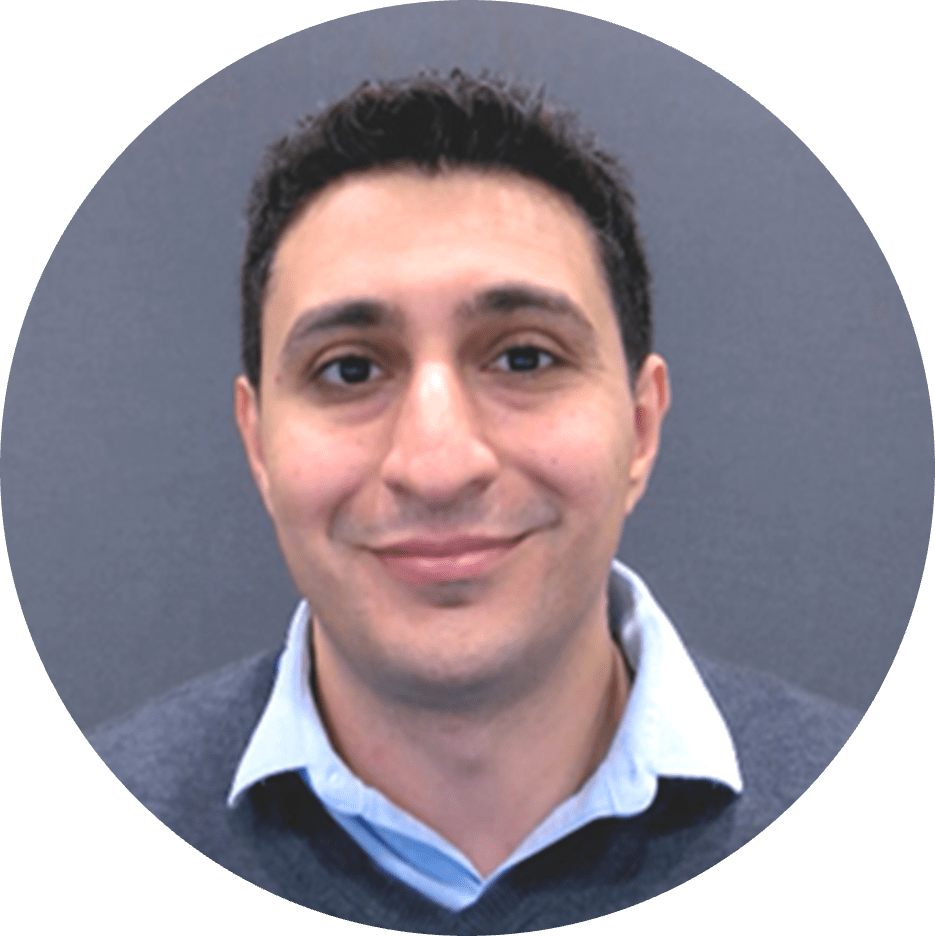
Workshop: Build Your Own Cytometer
Suat Dervish graduated from the University of Sydney, achieving a 1st class honours. He subsequently started postgraduate studies investigating T cell immunology in patients with Rheumatoid Arthritis and Type 1 diabetes that led to employment as a Cytometry Development Specialist at the Advanced Cytometry Facility now Sydney Cytometry. He currently manages the Westmead Cytometry, Imaging and Electron Microscopy Core Facilities driving quality data generation and technological developments to facilitate translational medical research. He has presented various workshops including “Quality Cell Sorting” at CYTO, has developed software used internationally to improve cell sorts and has developed means for >8-way simultaneous biological cell sorting. His innovative spirit has been recognized, being awarded an AMP Tomorrow Maker Grant, an Entrepreneurial Sydney University Union Kick Start Grant and with the completion of a Graduate Certificate in Innovation & Enterprise. His main interests include educating, inspiring and enabling developments in cytometry and imaging.
Eva Orlowski-Oliver
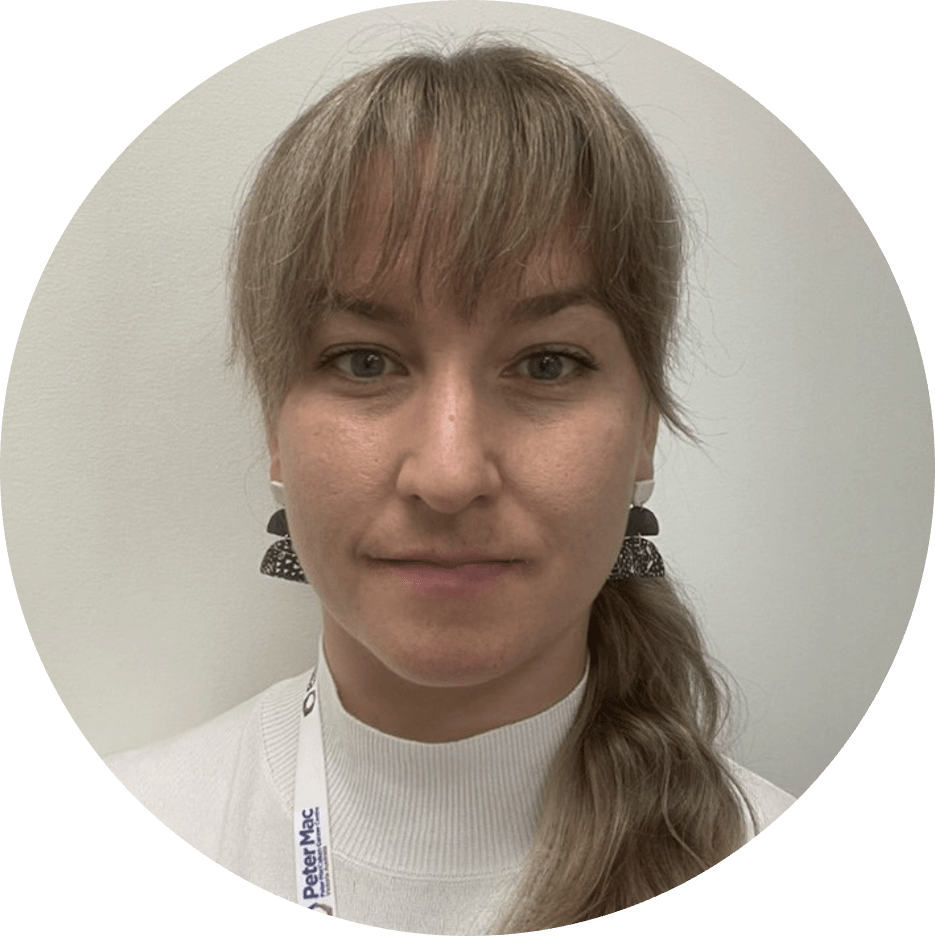
Workshop: Developing a best practice training program for SRL users
Eva Orlowski-Oliver, SCYM(ASCP), is the Research Flow Core Manager at the Peter McCallum Cancer Centre in Melbourne, Australia. Her role involves educating, training, and supporting research staff who utilise flow cytometry technology. She also encourages her team to participate in society task forces, conduct SRL experiments, and engage in continuous education and training to enhance their skills.
Eva’s journey in flow cytometry began as a Research Assistant (RA) under Professor Mark Hogarth at the Burnet Institute. Over six years, she expanded her flow cytometry techniques by investigating novel markers on T-cells from rheumatoid arthritis patients. Following this, she held a dual role at St. Vincent Institute, serving as an RA involved in islet biology research and participating in the islet transplantation program. Additionally, she worked as a flow cytometrist in the facility’s flow core under the guidance of Michael Thomson. This experience further fueled her passion for flow cytometry and working within a Shared Resource Laboratory (SRL). Seeking a full-time SRL position, she secured one at AMREP Flow, where she spent the next seven years. During this time, she had an exceptional teacher and mentor in Geza Paukovics, and she achieved certification as a specialist in cytometry (SCYM(ASCP)), became an ISAC Emerging Leader, a mother of two, and an SRL assistant manager.
Eva is deeply committed to education and training. She is an active member of ISAC (International Society for Advancement of Cytometry) and has made publications in Cytometry A. She actively takes part in the SRL Recognition Program task force and the SRL Committee. Additionally, she contributes to ACS (Australasian Cytometry Society) workshops, virtual presentations, and conference committees. Eva believes in providing young students with opportunities to explore careers in science, often hosting them for site visits or work experience. Eva is always happy to engage in conversations about flow cytometry, SRL management, or the A-League.


 ACS CONFERENCE 2026